
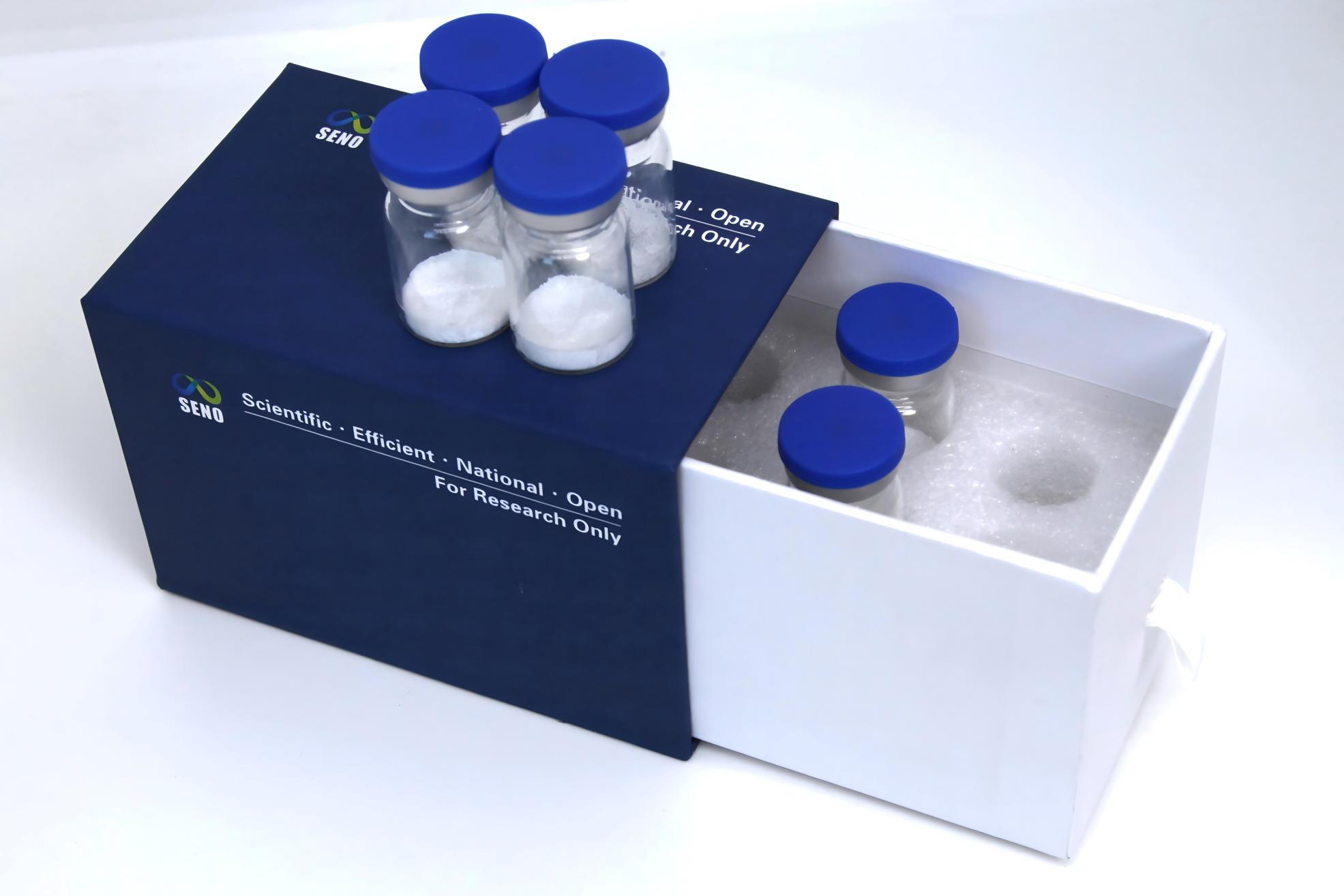
What Are Research Peptides?
الأبحاث الببتيدات هي synthetic or naturally derived short chains of amino acids used in laboratory studies, preclinical experiments, and method development, rather than approved therapeutic use.
They are best understood not just as molecules, but as tools used to probe biological systems.
Beyond “Research”: Major Peptide Categories
In industry and biotech, peptides are generally classified based on intended use and regulatory level, not just structure.
1. Research-Grade Peptides
- Purpose: Lab research, in vitro / preclinical studies
- Purity: Typically 70–98% (sometimes higher depending on application)
- Regulation: Not for human use
- Documentation: COA (HPLC, MS), basic QC
Examples:
- KPV
- BPC-157
- TB-500
- Melanotan II
- GHRP series (e.g., GHRP-2, GHRP-6)
2. GMP / Pharmaceutical-Grade Peptides
- Purpose: Clinical trials or approved drugs
- Purity: ≥98–99%
- Regulation: Strict (FDA, EMA, etc.)
- Documentation: Full validation, batch traceability, stability data
Examples:
- Insulin
- GLP-1 analogs
- Leuprolide
- Oxytocin
3. Cosmetic Peptides
- Purpose: Skincare and topical formulations
- Purity: Moderate to high (depending on brand standard)
- Regulation: Cosmetic regulations (less strict than pharma)
Examples:
- Matrixyl (palmitoyl pentapeptide)
- Argireline (acetyl hexapeptide-8)
4. Food / Nutritional Peptides
- Purpose: Supplements, protein products
- Purity: Lower, often mixtures
- Regulation: Food safety standards
Examples:
- Collagen peptides
- Casein peptides
5. Diagnostic / Analytical Peptides
- Purpose: Assays, calibration standards
- Purity: Very high (often ≥99%)
- Requirement: Extremely tight sequence accuracy
Key Differences Between Categories
| الميزة | الأبحاث | GMP Pharma | Cosmetic | Food |
|---|---|---|---|---|
| Use | Lab only | Clinical / therapeutic | Skincare | Nutrition |
| النقاء | Medium–high | Very high | Medium–high | Mixed |
| Regulation | Low | Very strict | Moderate | Food-grade |
| Documentation | Basic COA | Full validation | Safety data | Food compliance |
| Traceability | Limited | Full batch traceability | Partial | Batch-based |
Production Requirements for Different Peptide Grades
1. Research-Grade Production
Typical setup:
- Standard تخليق الببتيد في المرحلة الصلبة (SPPS)
- Basic purification (prep HPLC)
- Analytical QC (HPLC + MS)
Environment:
- Controlled lab environment (not necessarily GMP cleanroom)
Key focus:
- Speed, flexibility, cost-efficiency
2. GMP Peptide Production
This is a completely different level.
Facility requirements:
- Certified GMP cleanrooms (ISO class)
- Controlled airflow, pressure, contamination control
Process requirements:
- Validated synthesis protocols
- In-process controls
- Cleaning validation
Quality system:
- SOPs (standard operating procedures)
- Batch records
- Deviation & CAPA system
- Stability studies
Think of it like the difference between a prototype workshop and a pharmaceutical factory—same chemistry, completely different control level.
3. Cosmetic Peptide Production
- Requires cosmetic GMP (ISO 22716)
- Focus on safety and consistency, less strict than pharma
- Emphasis on formulation compatibility
4. Food Peptide Production
- Must comply with food safety systems (HACCP, ISO 22000)
- Large-scale enzymatic hydrolysis often used
- Focus on scalability and ingestion safety
What Defines a “Research Peptide”?
A peptide is considered “research” when:
- It is not approved for clinical use
- It is sold for laboratory investigation only
- It lacks full regulatory validation (GMP, clinical trials)
Important:
The same molecule can exist in multiple grades.
Same Peptide, Different Grades: What Changes?
Take one peptide as an example (conceptually):
Differences across grades:
1. Purity
- Research: ~95%
- GMP: ≥99%
2. Impurity profile
- Research: minor unknown impurities acceptable
- GMP: impurities must be identified, quantified, controlled
3. Manufacturing environment
- Research: standard lab
- GMP: certified cleanroom
4. Documentation
- Research: COA (HPLC + MS)
- GMP:
- Full batch records
- Stability data
- Validation reports
5. Traceability
- Research: limited
- GMP: full traceability from raw materials to final product
Why This Distinction Matters
From an industry perspective (especially for peptide manufacturers):
- Same sequence ≠ same product level
- Regulatory classification determines:
- Manufacturing cost
- Quality control depth
- Legal use
A useful way to think about it:
A research peptide is like a prototype tool,
while a GMP peptide is a certified, production-grade instrument.
Expanded Examples of Research Peptides
Commonly encountered in research contexts:
- KPV
- BPC-157
- TB-500
- Melanotan I / II
- GHRP-2 / GHRP-6
- CJC-1295 (non-GMP variants)
- AOD-9604
- Thymosin fragments
These are widely studied in:
- Cell signaling
- Inflammation models
- Metabolic pathways
الوجبات الجاهزة النهائية
- Research peptides are experimental tools used in scientific studies
- Peptides can be classified into research, GMP/pharma, cosmetic, food, and diagnostic grades
- The same peptide can exist at different quality and regulatory levels
- The key differences lie in:
- النقاء
- manufacturing environment
- quality systems
- documentation and traceability
Understanding these distinctions is essential not only for researchers, but also for peptide manufacturers, suppliers, and buyers operating in global biotech markets.
FAQs
What are research peptides?
Research peptides are short chains of amino acids used in laboratory and experimental studies. They are not approved for therapeutic or clinical use and are typically applied in cell biology, biochemical assays, and preclinical research.
What is the difference between research peptides and pharmaceutical (GMP) peptides?
The main difference lies in quality standards and intended use:
- Research peptides → used for lab studies, with basic quality testing (HPLC, MS)
- GMP peptides → produced under strict regulatory conditions for clinical or pharmaceutical use, with full validation, traceability, and compliance
Can the same peptide exist in different grades?
Yes. The same peptide sequence can be produced in multiple grades, including research-grade, GMP-grade, cosmetic-grade, or food-grade.
The differences are mainly in:
- Purity level
- Manufacturing environment
- Quality control standards
- Regulatory compliance
What are common examples of research peptides?
Common research peptides include:
- KPV peptide
- BPC-157
- TB-500
- Melanotan II
- GHRP-2 and GHRP-6
- CJC-1295 (research-grade)
These are typically used in cell signaling, inflammation, and metabolic pathway research.
How are research peptides manufactured?
Research peptides are usually produced using:
- تخليق الببتيد في المرحلة الصلبة (SPPS)
- Purification via high-performance liquid chromatography (HPLC)
- Verification using mass spectrometry (MS)
They are commonly supplied as lyophilized powder for stability.
What purity level do research peptides typically have?
Research peptides generally have a purity range of 70% to 98%, depending on their application.
Higher purity peptides are required for:
- Sensitive assays
- Mechanism studies
- Analytical validation
Are research peptides safe for human use?
Research peptides are not intended for human use. They are designed for laboratory and scientific research only, and their safety and effectiveness depend on controlled experimental conditions.
What is the difference between peptides and proteins?
Peptides and proteins are both made of amino acids, but:
- الببتيدات → shorter chains (typically 2–50 amino acids)
- Proteins → longer, more complex structures with folding and multiple functions
Why are peptides important in biotechnology?
Peptides are important because they:
- Allow precise targeting of biological pathways
- Serve as tools for studying cell signaling
- Act as building blocks for drug development
Many modern peptide-based drugs started as الببتيدات البحثية.
What certifications are required for peptide manufacturing?
This depends on the peptide type:
- Research peptides → basic lab QC (HPLC, MS)
- GMP peptides → GMP certification, validated processes, full documentation
- Cosmetic peptides → ISO 22716
- Food peptides → HACCP, ISO 22000
How to buy research peptides?
Research peptides are typically purchased through specialized scientific suppliers or peptide manufacturers.
When sourcing research peptides, consider:
- Supplier credibility (established manufacturer or lab supplier)
- Availability of Certificate of Analysis (COA)
- Verified HPLC purity and MS data
- Clear labeling for للاستخدام البحثي فقط
- Consistent batch quality and documentation
For laboratories and research institutions, procurement usually follows internal research material sourcing procedures.
Can I buy research peptides?
Access to research peptides depends on local regulations and intended use.
In general:
- Research peptides are sold for laboratory and scientific research purposes only
- Buyers are typically researchers, laboratories, or institutions
- Suppliers may require confirmation that the materials will be used in appropriate research settings
If you want to buy research peptide, please contact us.