
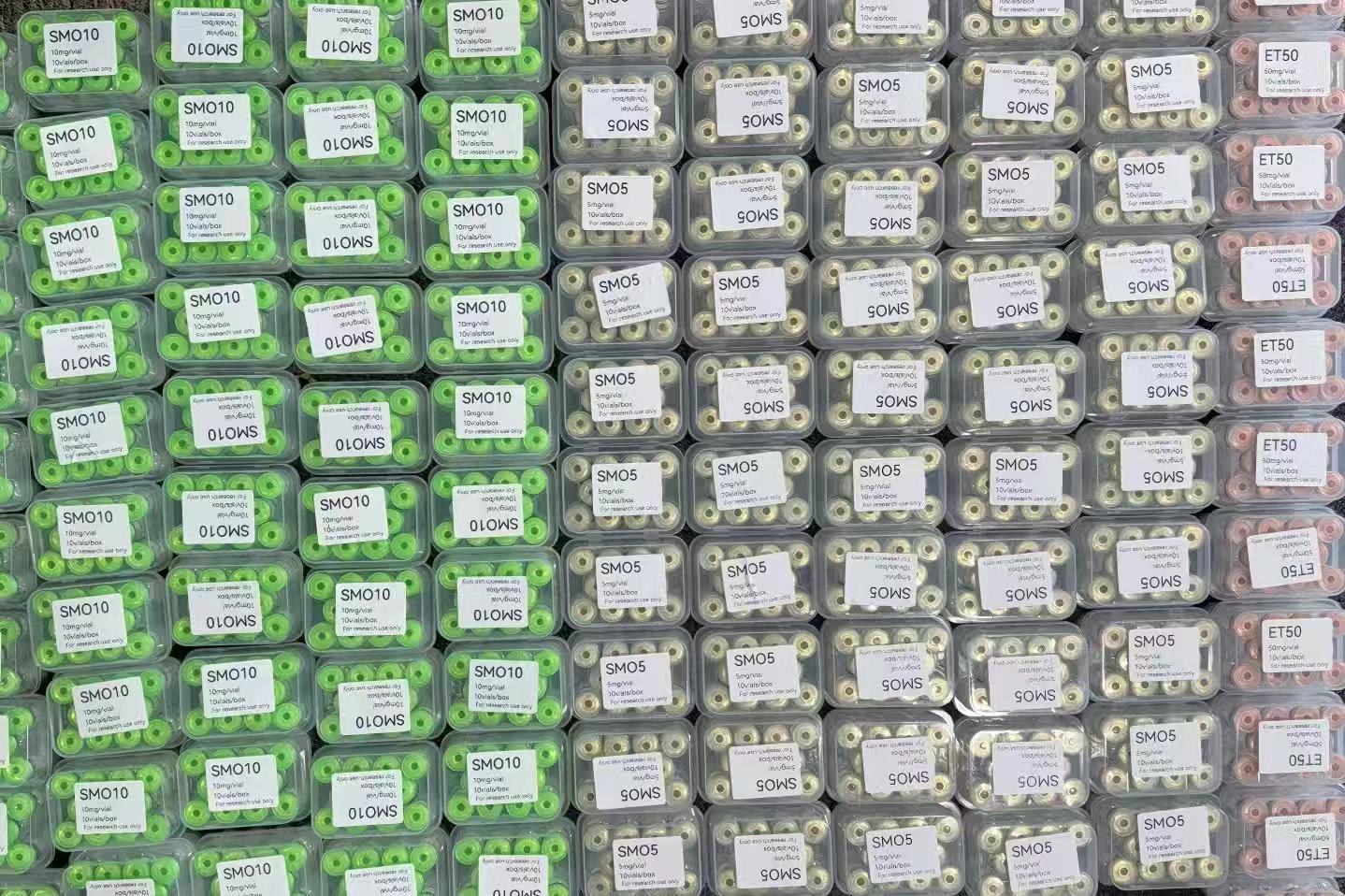
Reconstituting peptides is a precision-driven laboratory procedure that transforms lyophilized peptide powder into a stable solution suitable for analytical or experimental applications. This process requires strict control over solvent selection, environmental conditions, and handling techniques to preserve peptide integrity.
1. Laboratory Environment Requirements
Before beginning, ensure the procedure is conducted under controlled laboratory conditions:
Environmental Standards:
- Clean bench or laminar flow hood (recommended for sterility)
- Temperature: 18–25°C (avoid fluctuations)
- Low humidity (to prevent condensation)
- Minimal airflow disturbance (reduces contamination risk)
Why this matters:
Peptides are sensitive to moisture and airborne contaminants. Exposure can lead to:
- Hydrolysis (chemical degradation)
- Microbial contamination
- Loss of reproducibility in experiments
2. Required Equipment, Containers, and Consumables
Essential Equipment:
- Calibrated micropipettes (0.1–1000 µL range)
- Analytical balance (if weighing is required)
- Vortex mixer (optional, low speed only)
- Refrigerator / Freezer (−20°C or −80°C)
Containers:
- Sterile glass vials (preferred for stability)
- Low-binding microcentrifuge tubes (to minimize peptide loss)
Consumables:
- Sterile pipette tips (filter tips recommended)
- Alcohol wipes (70% ethanol)
- Parafilm or vial seals
Solvents:
- Sterile water
- Bacteriostatic Water
- Dilute acid solutions (e.g., acetic acid or Trifluoroacetic Acid)
3. Step-by-Step Reconstitution Procedure
Step 1: Equilibrate the Peptide Vial
Remove the peptide vial from storage and allow it to reach room temperature before opening.
Key Control Point:
- Prevents condensation forming inside the vial
If done incorrectly:
- Moisture exposure may initiate Hydrolysis, reducing peptide stability
Step 2: Inspect the Lyophilized Powder
Ensure the peptide appears as a dry, uniform powder (no discoloration or clumping).
Key Control Point:
- Confirms integrity after Lyophilization
If abnormal:
- Yellowing or stickiness may indicate degradation or moisture exposure
Step 3: Select the Appropriate Solvent
Choose solvent based on peptide properties:
- Hydrophilic peptides → sterile water
- Hydrophobic peptides → acidified solution
- Multi-use storage → bacteriostatic water
Key Control Point:
- Match solvent polarity to peptide chemistry
If mismatched:
- Leads to Protein Aggregation
- Reduced solubility and inconsistent concentration
Step 4: Calculate Desired Concentration
Determine final concentration before adding solvent:
Example:
- 5 mg peptide + 1 mL solvent → 5 mg/mL
Key Control Point:
- Plan concentration based on experimental requirements
If miscalculated:
- Invalid dosing or unusable experimental results
Step 5: Add Solvent Slowly
Using a sterile pipette, add solvent slowly along the inner wall of the vial.
Key Control Point:
- Avoid direct force on powder
If done incorrectly:
- Foaming or structural disruption
- Local overhydration causing uneven dissolution
Step 6: Dissolve Gently
Allow the peptide to dissolve:
- Gently swirl or invert vial
- Avoid vigorous shaking
Key Control Point:
- Maintain structural integrity
If over-agitated:
- Promotes aggregation
- Possible denaturation of peptide structure
Step 7: Confirm Complete Dissolution
Visually inspect solution:
- Should be clear and free of particles
If incomplete:
- Let stand for several minutes
- Optional: very gentle vortex
If ignored:
- Uneven concentration distribution
- Reduced experimental accuracy
Step 8: Aliquot the Solution
Divide solution into smaller volumes for storage.
Key Control Point:
- Minimizes repeated freeze-thaw cycles
If skipped:
- Accelerated degradation over time
Step 9: Storage
- Short-term: 2–8°C
- Long-term: −20°C or −80°C
Avoid repeated freeze–thaw cycles.
If mishandled:
- Oxidation, deamidation, and structural instability
4. Critical Control Points Summary
| Step | Risk | Impact |
|---|---|---|
| Temperature equilibration | Condensation | Hydrolysis |
| Solvent selection | Poor solubility | Aggregation |
| Mixing method | Mechanical stress | Structural damage |
| Storage | Freeze-thaw cycles | Degradation |
5. Common Mistakes and Their Scientific Impact
- Using wrong solvent → insolubility, precipitation
- Shaking vigorously → structural destabilization
- Skipping aliquoting → repeated degradation cycles
- Contamination → enzymatic breakdown (proteases)
6. FAQ (Frequently Asked Questions)
Q1: What is the best solvent for peptide reconstitution?
It depends on peptide structure. Hydrophilic peptides dissolve well in water, while hydrophobic peptides often require acidified solutions.
Q2: Why must peptides reach room temperature before opening?
To prevent condensation, which can introduce moisture and trigger degradation reactions.
Q3: Can I shake the peptide to dissolve it faster?
No. Vigorous shaking may induce aggregation and structural damage. Gentle mixing is recommended.
Q4: How long can reconstituted peptides be stored?
- Short-term: a few days at 2–8°C
- Long-term: weeks to months at −20°C or below (depending on sequence stability)
Q5: Why is aliquoting important?
Aliquoting prevents repeated freeze–thaw cycles, which accelerate degradation pathways such as oxidation and hydrolysis.
Q6: What happens if the peptide does not fully dissolve?
This may indicate poor solvent compatibility or aggregation. Adjust solvent conditions accordingly.
7. Final Scientific Insight
Peptide reconstitution is a controlled physicochemical process, not a simple dilution step. Proper handling ensures:
- Molecular stability
- Accurate concentration
- Experimental reproducibility
Failure to follow correct procedures can compromise both data quality and peptide integrity.